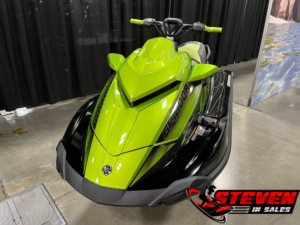
You just bought a jet ski. The trailer is in the driveway, the life jackets are stacked by the garage door, and all you want to do is get on the water.
Then someone brings up registration, and suddenly it feels like buying a car at the DMV all over again.
I’ve watched this exact moment happen to a lot of first-time buyers, and the confusion is completely understandable. The process itself isn’t that bad, but there are a few parts of it that catch people off guard every single time.
The Agency You’re Going to May Surprise You
Here’s where most people stumble first: in a lot of states, you don’t register a jet ski through the DMV at all.
Depending on where you live, you might be dealing with the Department of Natural Resources, a Fish and Wildlife Commission, a Parks and Recreation office, or some other watercraft authority that has nothing to do with motor vehicles.
Florida handles PWC registration through the county tax collector’s office. Texas routes it through Parks and Wildlife. California does run it through the DMV (so odd to me), but through a specific vessel section.
What You Need to Bring
For a new jet ski purchased from a dealer, a lot of this gets handled for you.
The dealer provides a Manufacturer’s Certificate of Origin (MCO), which is the watercraft equivalent of a vehicle title for a brand-new machine. Most dealers collect the registration fees and submit the paperwork on your behalf, similar to how a car dealership handles your plates and title. You’ll usually get a temporary registration card or paper to keep on the jet ski while the permanent documents are processed, which can take two to four weeks.
For a used jet ski, you’ll need the existing title signed over to you, a bill of sale, a valid photo ID, and proof of your address. If the PWC was registered out of state, add a title transfer to that list. Title transfers typically run $15 to $75 depending on where you are. Even if the title looks clean, always get a signed bill of sale. It protects you both if anything gets complicated down the road.
The Numbers That Go on the Hull
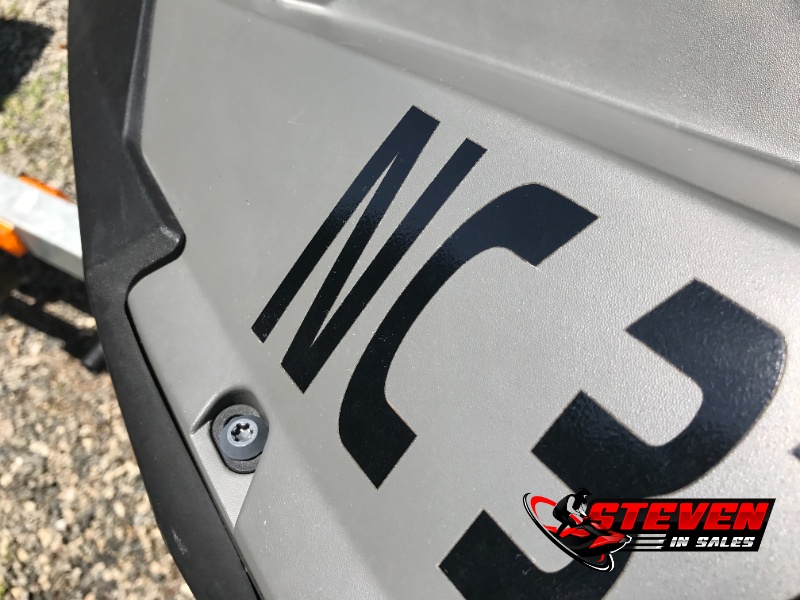
Once you’re registered, your state assigns you a vessel registration number, which has to be displayed on both sides of the hull near the front of the watercraft. It works like a license plate, except it lives directly on the body of the ski.
The display rules are specific. Letters and numbers need to be at least 3 inches tall, in a color that contrasts with the hull, using block-style lettering.
The state abbreviation goes first, followed by numbers and letters separated by a hyphen or space. Decal kits sold online are the easiest way to get this right without trying to paint anything yourself.
Most states also issue registration decals that need to be displayed near the numbers.
You can even go to many decal cutting places to get custom boat numbers made. They’re super easy to put on and look the best. The video below shows you how.
What Registration Actually Costs
Most jet skis fall into the Class A vessel category (under 16 feet). Fees in that range typically run $10 to $75 per year, though a handful of states push that higher. If you’re buying used and doing a title transfer, tack on another $15 to $75 on top of the base registration fee.
For most buyers, the complete registration and title process ends up somewhere between $50 and $150 out of pocket, not counting sales tax. Sales tax is usually collected at purchase, but for private sales it’s often paid during registration depending on your state.
The Boater Education Requirement Sneaks Up on People
This is the part that surprises buyers more than anything else in this whole process. Operating a jet ski in most states now requires a boater education certificate, and the rules have been tightening across the country faster than most people realize.
New York completed its phased rollout in 2025, meaning every motorized vessel operator needs a valid Boater Safety Certificate regardless of age or birth year.
California finished a similar universal rollout as of January 1, 2025.
Florida still uses a birth year cutoff, but that cutoff is January 1, 1988.
The certification requirement is the one thing first-time buyers consistently don’t see coming. They’ve got the title, they’ve got the registration, they’re ready to go… and then a warden on the water asks for the boater card they’ve never heard of.
If you don’t have it yet, most states accept NASBLA-approved online courses that run a few hours and cost $20 to $50. It’s not a big lift, but you need to do it before you’re on the water, not after you’ve already launched.
Even if you RENT the PWC, many states require you to take a test.
For a full breakdown of what your state requires to legally operate a PWC, this rundown on jet ski license requirements covers it state by state.
Riding in Another State
Spring is when people start planning trips, and a common question I hear is what happens when you haul your PWC to a lake two or three states away.
Most states recognize out-of-state registrations and give you a grace period, typically 60 to 90 days, before they require you to register locally. A long weekend or a week-long trip is generally fine with your home state registration in hand.
Where it gets complicated is extended stays. If you’re keeping the PWC at a vacation property for most of the summer, some states interpret that as your primary use location and expect you to register there as well. It’s worth a quick call to the local watercraft authority before a long trip if you’re not sure, because sorting out paperwork in an unfamiliar state on a holiday weekend is an experience worth avoiding.
Don’t Wait Until the Morning You Want to Launch
Registration always feels like something you can handle later. Then later turns into the Friday before Memorial Day weekend and nothing is in order. I’ve seen it happen more times than I can count.
Give yourself at least two weeks before your planned first ride to get everything sorted. If you bought from a dealer, ask them directly what they’re handling versus what’s still on you. Most dealers take care of the initial title work, but that doesn’t always mean the full registration is handled. Get that clarified in writing at the time of purchase.
Riding unregistered is not just a technicality. Officers on the water check, and fines vary by state but are high enough to take the fun out of an otherwise good day on the water. More importantly, registration is what protects your ownership if the watercraft ever gets stolen or if there’s a dispute down the line. The paperwork is worth doing right.
And water patrol does look for riders, they’re looking for numbers on jet skis and young riders to pull over. It happened to me all the time with my new watercraft that had no numbers while I waited for the state to issue it, but I rode on a bill of sale which was fine at the time (make sure the date is clear and easy to read). I also see them pull young riders over to see if they have their certs and even test them to make sure they actually know the rules of the water. They keep getting more and more strict about boater safety every year and with good reason.