You took your jet ski out last weekend and something just felt off. It wasn’t broken. It started fine. No warning lights, no weird sounds. But it felt… heavy. Slower than you remembered. Like it lost its punch somewhere between last season and this one.
You’re not imagining it. And you’re definitely not alone.
This is one of the more frustrating things that happens with personal watercraft, because there’s no obvious culprit to point at. No single broken part to swap out. It’s usually a combination of small things that quietly stack up until the whole ride feels like it’s running through mud.
Let me walk you through what’s actually happening.
The Weight You Don’t Think About
The first thing most people overlook is how much stuff has accumulated on, in, and around their jet ski.
Riders tend to focus on raw horsepower when they’re thinking about speed, but what they miss is how dramatically total weight affects performance.
Most jet skis are designed with a tight target weight in mind, and in my experience, even an extra 80 to 100 pounds makes itself known immediately off the line. The hole shot feels lazy, the PWC climbs onto the plane slower than it should, and in choppy water it sits lower and gets pushed around in ways that make the whole ride feel heavier than it actually is.
Where does that weight come from? Storage compartments packed with extra gear. A heavier anchor setup. A larger cooler. That tube and rope you decided to bring along. Maybe you added a cargo bag. Add it all up and you’ve quietly turned a watercraft that’s supposed to feel quick and nimble into something that has to work a lot harder just to get on plane.
Even your fuel tank plays a role. A full tank versus a half tank can be a meaningful difference depending on your model. Most riders don’t think about that until someone points it out.
Jet Pump and Intake
Here’s something that catches a lot of people off guard: the jet pump and intake grate can accumulate debris in ways that don’t trigger any alerts and don’t make any obvious noise, but they absolutely hammer your top-end performance.
Weeds, fishing line, and even thin plastic bags can wrap around the impeller or partially block the intake. You might not feel a vibration. The jet ski might idle and accelerate without any obvious stumble. But it’s working harder for less thrust, and what you experience on the water is a ski that feels slower and somehow less responsive.
You could have even sucked something up and not noticed it, and your wear ring took the damage, and it only shows up when you try to take off.
Hull Condition Is More Important Than Most People Realize
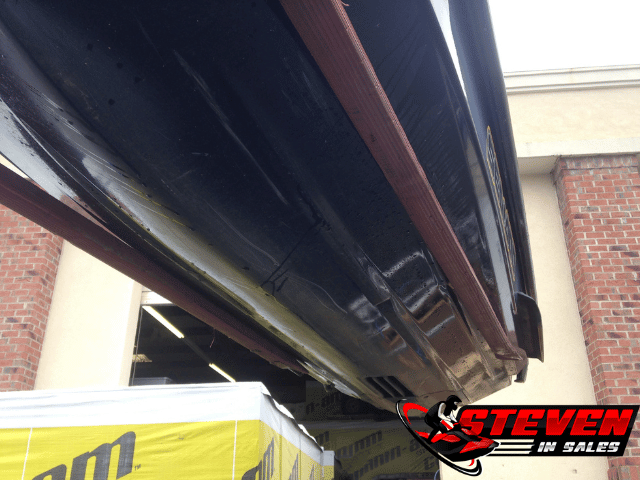
A clean, smooth hull cuts through water efficiently. A hull that’s been sitting all winter, or one that’s developed oxidation, algae growth, or minor barnacle buildup creates drag that you’ll feel immediately.
It’s like sandpaper; it creates a lot of friction in the water.
Think of it like driving a car with underinflated tires. Nothing is “broken,” but you’re fighting the road more than you should be, burning more energy, and covering ground more slowly. A jet ski hull works the same way. When the surface loses its smoothness, the water doesn’t release cleanly off the back of the hull, and your top speed and acceleration both take a hit.
A proper hull cleaning can genuinely wake a jet ski back up. It’s one of those things that feels like overkill until you actually do it and notice the difference.
Engine Tune-Up Items That Quietly Degrade
Spark plugs, fuel filters, and simple maintenance don’t announce when they’re past their prime. They just slowly reduce efficiency until the engine is producing a bit less power than it was designed to.
A ski that ran strong two seasons ago on its original plugs might be running 10 to 15 percent less efficiently now. That’s not dramatic enough to trigger a fault code, but it’s absolutely enough to change how the ride feels. Same goes for fuel injector and the overall health of the fuel system if the ski sat for an extended period with old fuel in it. It is super common after a winterization to have bad fuel, especially if you did not treat the fuel before storing it.
The fix here is just staying on top of the service schedule. It’s not exciting, but it’s the difference between a ski that runs like it should and one that always feels just a little off. Or simply put some fresher, higher-octane fuel in the tank to wake the jet ski up and help burn out the old stuff if the craft has been sitting for months unused.
Why Your Jet Ski Feels Different at Different Times of Day
Here’s something most people never think about until they experience it: the same PWC on the same water can feel noticeably different based on air temperature, water temperature, and humidity.
Denser, cooler air is more oxygen-rich, which means better combustion and more power. A ski you ride at 8 in the morning on a 65-degree day is going to feel punchier than the same ski at 2 in the afternoon when it’s 92 degrees with high humidity. This isn’t something broken. It’s just physics.
This also ties into altitude if you’re riding somewhere like Lake Tahoe versus a coastal lake. Thinner air at elevation means meaningfully less engine output, and riders who travel to different locations are sometimes surprised when their ski feels weaker somewhere new even though it ran great back home.
Understanding this helps you stop chasing phantom mechanical issues. Sometimes the jet ski isn’t slower. The conditions just changed.
It’s rarely one thing
The funny thing about a jet ski that feels slower without any obvious problem is that it’s rarely one big thing. It’s usually several small ones. Extra weight in the storage compartments, a jet pump that needs cleaning, a hull that hasn’t been touched in two seasons, and plugs that are 100 hours past where they should have been swapped out.
None of those things alone would dramatically change your ride. All of them together? That’s where a jet ski that used to feel electric starts feeling ordinary.
Start with the easy checks. Clean the intake, lighten the load, and give the hull a real inspection. Then work through the service items. In most cases, you’ll get your watercraft feeling like itself again without touching anything that requires a dealer visit.
